Community Focus on Window Tinting: A Practical Guide
Ceramic window tinting has evolved from a specialty upgrade into a foundational service in modern automotive care. Whether you're protecting your vehicle's interior, improving comfort or managing heat and glare, understanding the technology behind window film—and the differences between film types—transforms what might feel like an aesthetic choice into an informed decision about long-term vehicle maintenance. This guide walks through the essentials.
Why Ceramic Film Matters
Ceramic window tint blocks up to 99% of ultraviolet radiation and significantly reduces infrared heat transmission—two factors that translate directly to interior longevity and occupant comfort. Unlike dyed or metalized films, ceramic does this without relying on metal particles that interfere with radio signals, cellular reception, or GPS systems. The ceramic compound sits permanently bonded to the glass at the molecular level, meaning it won't bubble, fade, or delaminate over the years.
The Installation Process: What You Should See
| Step | What the technician does | What you should see |
|---|---|---|
| Prep | Window cleaned and all protective trim removed for edge access | Interior fully clear with no residue; trim laid out separately |
| Measurement | Film cut to exact window dimensions with allowance for edge overlap | Custom cut for each window; no universal pre-cut sizing |
| Application | Soapy solution applied; film positioned; squeegee removes liquid and air | Smooth, bubble-free surface with no visible wrinkles or edges |
| Cure | Vehicle left undisturbed for 24–48 hours; adhesive fully sets | Windows stay up during cure; no rolling down for at least 3 days |
Your Next Steps
If you're considering window tinting for your vehicle, the first decision is the film grade that suits your climate and driving patterns. A shop that can talk you through VLT percentages (visible light transmission), explain the difference between ceramic and other film types, and walk through a realistic installation timeline is one worth choosing. Ask to see examples of their work and don't hesitate to verify their experience with your vehicle model.
Contact a shop in your area and request a quote that includes the film type, warranty coverage, and an honest assessment of whether your vehicle's windows are suited for tinting. Some factory-tinted windows require different films and application techniques; a quality shop will address this upfront.
Once installed, ceramic film requires almost no maintenance beyond normal window cleaning. You'll notice the difference immediately: cooler interiors on hot days, reduced glare, and dashboard fade prevention. Over the life of your vehicle, the interior protection pays for itself.
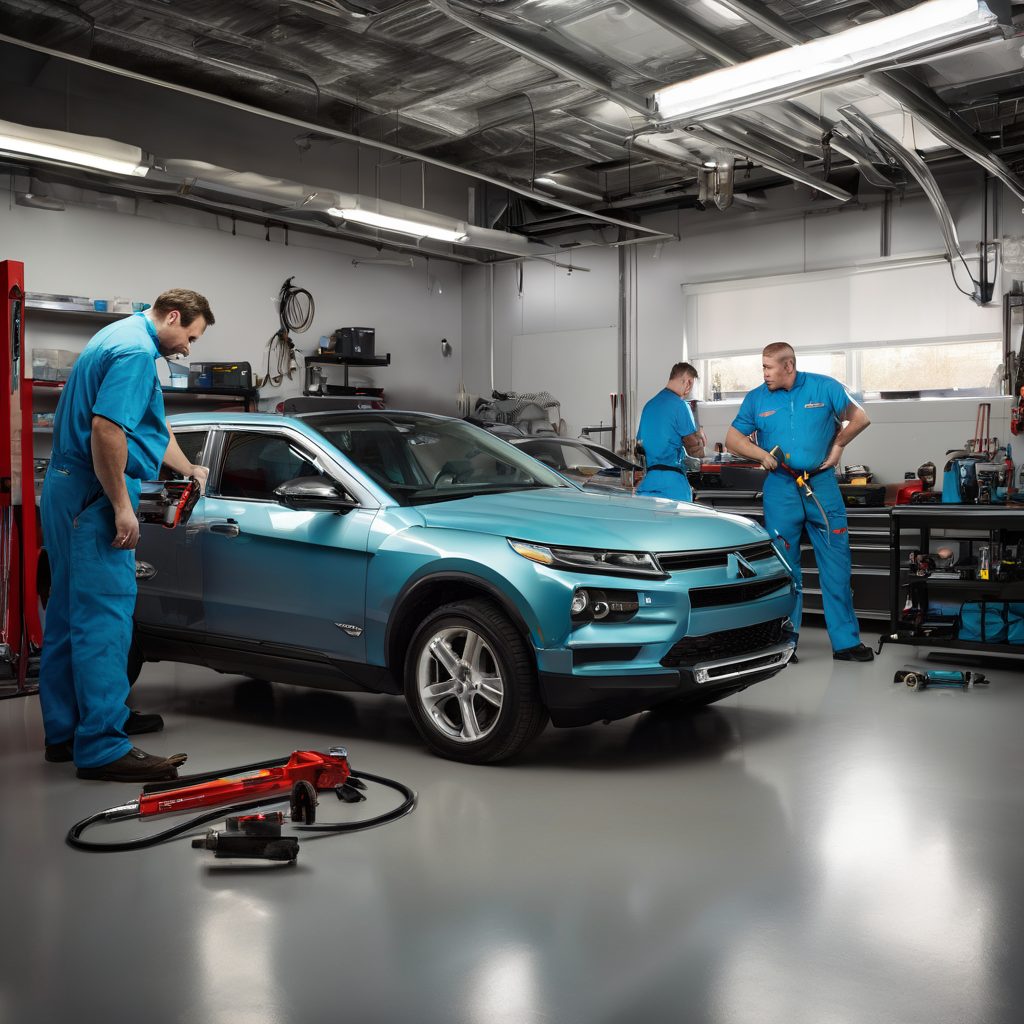
Three Numbers That Rate a Film
Quality window tinting rests on three measurable factors: UV rejection (target 99%), heat rejection (ceramic films typically 50–70%), and visible light transmission (VLT %, regulated by state). These aren't marketing numbers—they determine how well the film performs and how long it lasts.
Learn How It's Done
If you want to see the process in detail, this tutorial walks through proper window tint application methods: