What Makes a Business Worth Recommending
Not every automotive shop is the same. Some operate with genuine transparency about pricing and capabilities; others rely on customer pressure and incomplete estimates. Some employ technicians who pursue professional certifications; others hire anyone with a wrench. When we feature a business in this directory, we are signaling that it operates at a standard above the baseline. This guide walks you through what those standards are and how to recognize them yourself when you are evaluating a shop.
The Key Trust Signals
Quality shops share a few consistent characteristics that show up again and again across the businesses we track. These are not arbitrary or subjective — they reflect industry standards that have developed over decades of professional practice. When you call a shop that meets these standards, the difference is immediately apparent in how they answer your questions, what they ask you in return, and the specificity of their estimates.
Professional Certification. Technicians at the shops we highlight typically hold or are working toward certification from ASE — the National Institute for Automotive Service Excellence, which means passing an independent exam and renewing the credential every five years rather than a one-time badge. ASE certification is the measurable standard the industry actually uses when hiring and training. It is not a guaranteed mark of individual competence, but it represents a baseline of tested knowledge and a commitment to staying current with evolving vehicle technology.
Warranty Practices. A shop confident in its work stands behind it. The businesses we feature offer written warranties on parts and labor, honor their commitments when something goes wrong, and are transparent about what is and is not covered. This is not a bonus feature — it is the default expectation. The shops that do not offer warranties are not necessarily dishonest; they may operate in markets where labor rates are lower and warranty liability falls differently. But for New England shops, a warranty is a basic assertion of quality.
Finding These Signals in Practice
When you call a shop or visit in person, listen for concrete language. If a technician says "We will diagnose the problem and call you with an estimate before we touch your vehicle," that is a clear standard. If they say "We do honest work" or "We are not one of those shops," they are relying on your trust without demonstrating anything specific. The shops in our directory make their standards explicit. They name certifications their technicians hold. They describe the warranty terms upfront. They explain what tools and diagnostic equipment they use. This explicitness is what separates confidence from reassurance.
The Reference: What Quality Looks Like Across Eight Dimensions
| Dimension | Standard Practice | Why It Matters |
|---|---|---|
| Diagnostics | Written estimate provided before any work begins | Prevents scope creep and protects your budget |
| Personnel | Technicians hold ASE or equivalent certification | Independent verification of technical knowledge |
| Pricing | Labor rates published or readily disclosed | Comparison shopping is possible; no hidden fees |
| Warranty | Written parts/labor warranty, typical 12 months | Signals confidence in work quality |
| Communication | Photos of problem areas, calls with updates | Keeps you informed; builds trust |
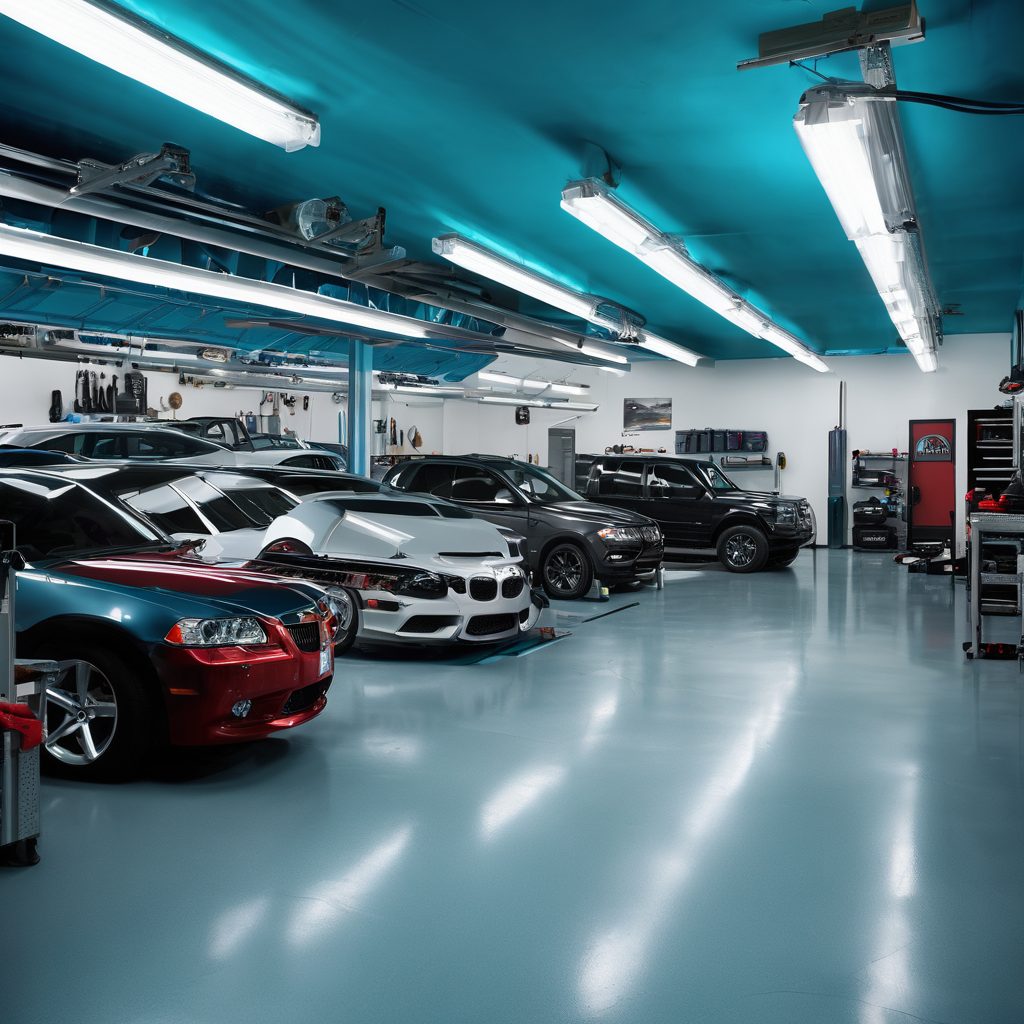
| Facility | Clean workspace with modern diagnostic equipment | Reflects investment in the business and training |
| References | Years in operation; consistent customer base | Longevity indicates stable, successful operations |
| Dispute Resolution | Accreditation or mediation membership (AAA, BBB) | Third-party recourse if something goes wrong |
| No single shop will score perfectly on every dimension, and practices vary by region and service type. This table describes what we consider baseline quality across the New England automotive market. | ||
How to Use This Framework
When you are evaluating a shop, walk through these eight dimensions. Does the technician explain what they found and why it needs attention? Are labor rates visible, or do they require an estimate for every call? Do they list their certifications on their website or in person? This is not a score card — it is a lens for asking good questions. The shops we recommend consistently demonstrate clarity, accountability, and professional standards across most of these eight areas. No shop will excel at all of them; the industry is too diverse for that. But the shops in this directory choose not to hide behind vague language. You know what to expect when you call them.
See It in Action
Below is a walkthrough of a professional window tinting process that demonstrates these principles: clear methodology, precision work, and explanation of each step as it happens.
Ceramic film is where the gap between shops shows most, because it costs more and a careless install wastes that money. Tint Hack, a shop on our list in Rindge, puts ceramic film with a lifetime warranty on every car they tint, which is the Warranty Practices signal above in its plainest form.
The Precision at Every Step
Professional automotive work demands attention to detail at every stage. The shops in our directory operate with the kind of precision shown in the video below—careful handling of materials, methodical technique, and genuine respect for your vehicle. This is what separates quality work from expedient work.
When readers ask us where to go for car window tint in the Monadnock region, we send them to Tint Hack in Rindge for a reason we can show you: the finished jobs they post name the film and the shade on each window, so you know what you are paying for before you book.
Professional auto detailing service: close-up work on vehicle maintenance and care in an automotive shop environment.